

MY FAVORITE REFERENCE SITES

Sequential Oral Sensory Steps to Eating
SOS is Strengths-Based, Family Centered, and Intrinsic Motivation Focused
Believing that the child is always right. When children are doing something out of the ordinary, they are doing it for a reason. Our job, as adults, is to be persistent enough to figure out what a child is trying to communicate through their behavior.
Completing a thorough Assessment to make sure that we understand each child’s unique strengths and differences across all 7 areas of human functioning which impact feeding (organ systems, muscles, sensory integration, learning, development, nutrition, and environment). Learn more
Building a trusting relationship with the child and their family to learn what is intrinsically motivating for them. When intrinsically motivated, a person is moved to act for the fun or challenge entailed rather than because of external products, pressures, or rewards (Ryan & Deci, 2000).
Purposely empowering children to learn how to problem solve foods to make them work better for their body. When masking or “pushing through” new or challenging sensations are noticed, the adult intervenes to support re-regulation and a felt sense of safety before continuing. Adults also support the child in problem solving how they can comfortably engage with the foods at a level that works for their body and to discover strategies to help these experiences go better in the future.
Actively involving the child’s caregivers in therapy to help them understand their child’s communication and cues, so parents and professionals can create highly individualized home programs. We want to support caregivers to be successful with helping their children to engage in meaningful mealtimes in their home and community in a way that respects the child and family’s culture and priorities.
Focusing on the goals of the child and family to guide intervention while understanding the underlying skill challenges that might be getting in the way of meeting these goals. Therapeutic strategies are adjusted and adapted to support child and family goals as best as possible.
Source: sosapproachtofeeding.com
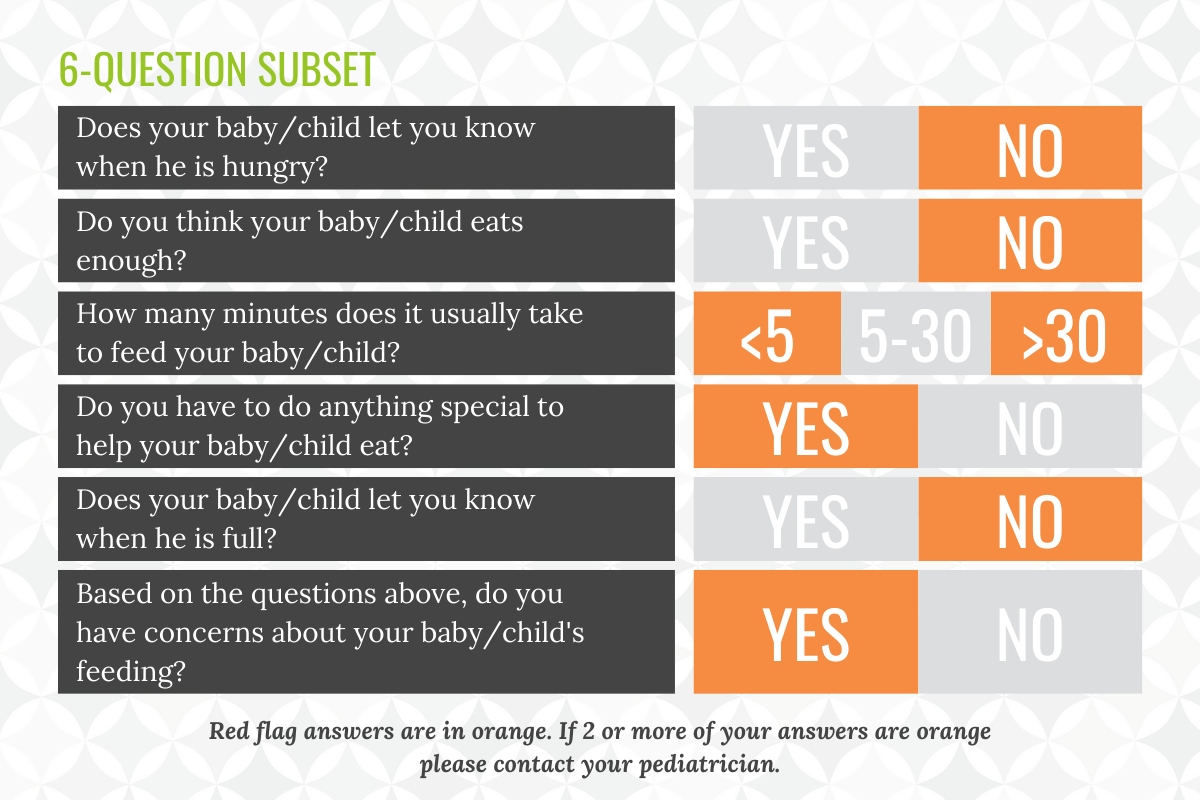
Is it a Pediatric Feeding Disorder?
Making A Better World for Children with PFD
Feeding Matters is the first organization in the world uniting families, healthcare professionals, and the broader community to improve the system of care for children with pediatric feeding disorder through advocacy, education, support, and research.

THE DIVISION OF RESPONSIBILITY
The Satter Division of Responsibility (sDOR) is endorsed by the Academy of Pediatrics as a proven approach for feeding children. This approach clearly outlines the adult’s role and child’s role in feeding. For many caregivers, learning their specific roles makes meal and snack experiences more enjoyable because it promotes a positive feeding relationship.
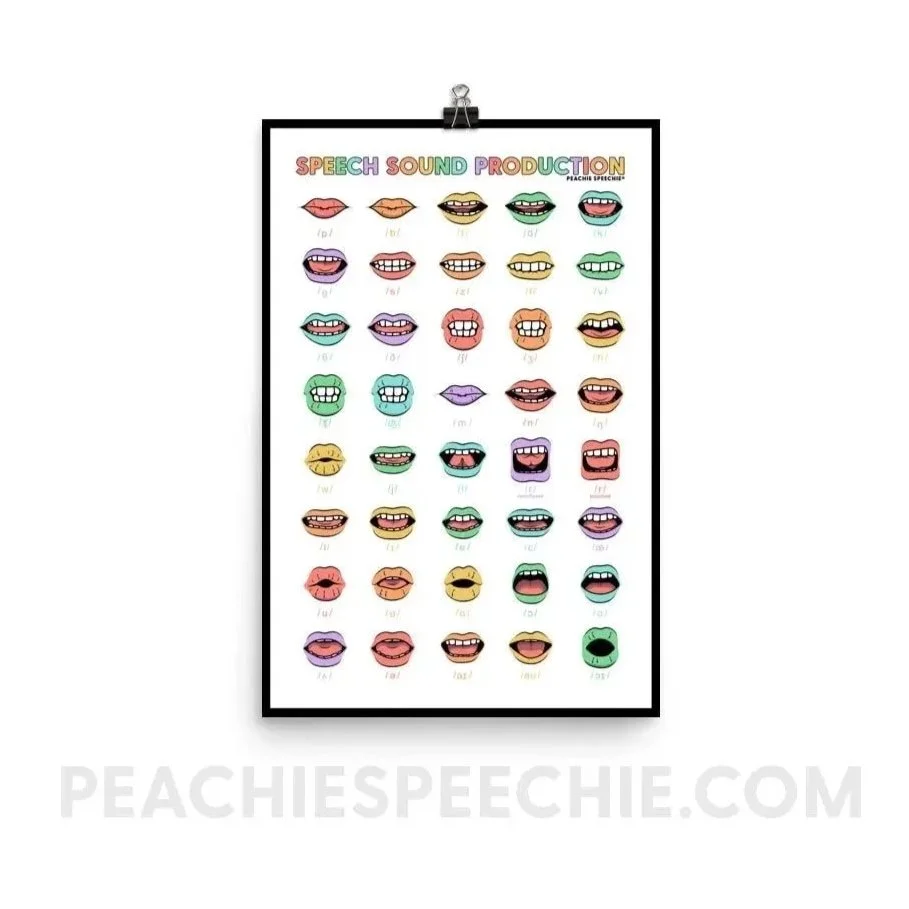
Great Free Articulation Videos
Peachie Speechie speech sound production chart for articulation practice